
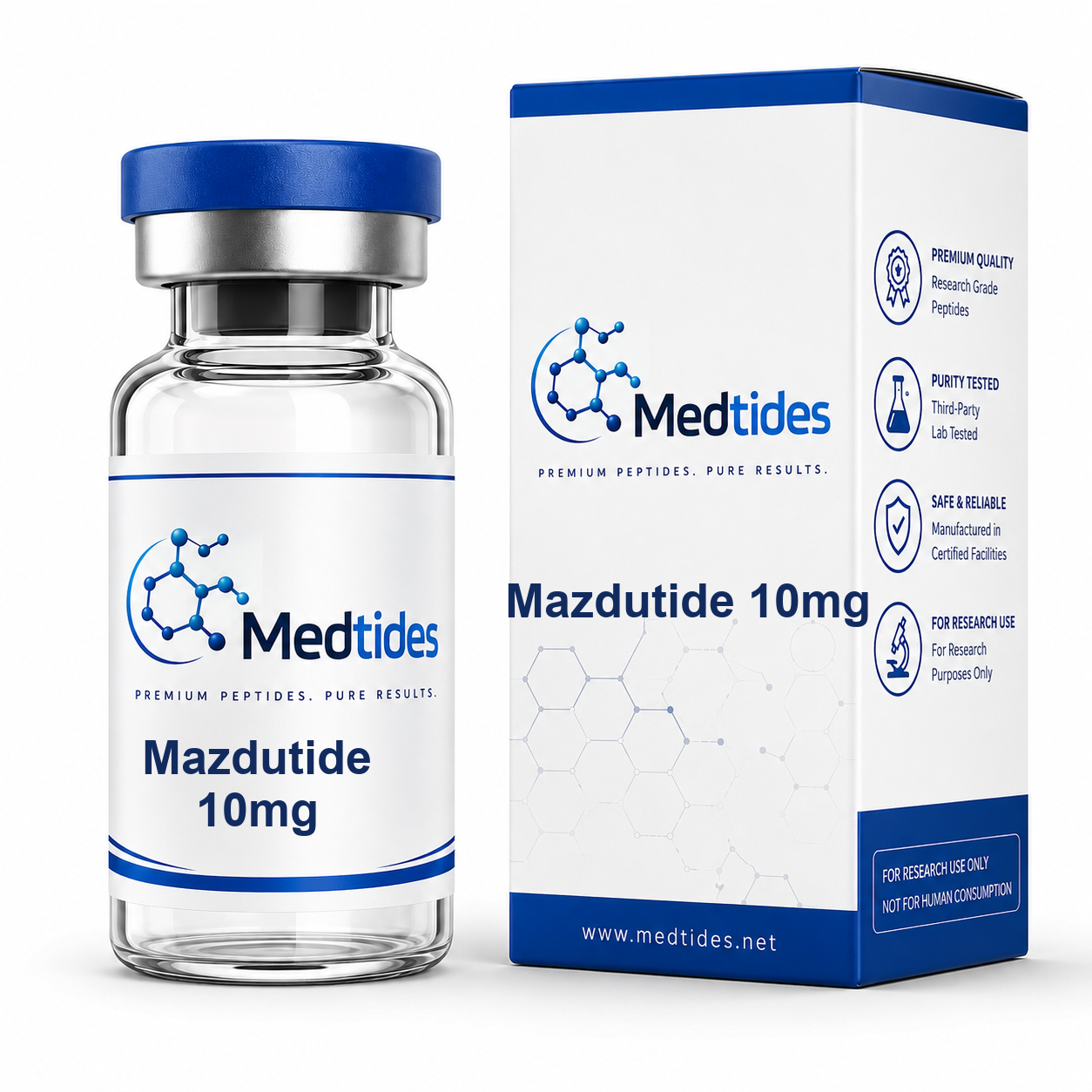
Mazdutide 10mg
Original price was: $200.00.$195.00Current price is: $195.00.
Mazdutide 10 mg:
Mazdutide 10mg (also known as IBI362 or LY3305677) is a long-acting synthetic peptide designed to activate two important metabolic receptors: the glucagon-like peptide-1 (GLP-1) receptor and the glucagon receptor. This dual mechanism distinguishes mazdutide from traditional GLP-1 receptor agonists and has made it an important investigational and therapeutic drug in the fields of obesity, type 2 diabetes, and metabolic health. As of 2026, mazdutide has received approval from China’s National Medical Products Administration (NMPA) for chronic weight management in adults with overweight or obesity and for glycemic control in adults with type 2 diabetes.
The mazduitide 10 mg strength, however, requires particular clarification. A 10 mg target dose has been studied in clinical trials, but it should not automatically be interpreted as the standard approved maintenance dose. Clinical studies have evaluated mazdutide at several doses, including 3, 6, 9, 10, 12, and 16 mg, using gradual dose escalation. In one clinical-trial protocol, participants assigned to the 10 mg group underwent stepwise escalation before reaching the 10 mg target. Therefore, a product labeled “Mazdutide 10 mg” should not be treated as instructions to administer 10 mg immediately.
Mazdutide 10mg works through two complementary biological pathways. GLP-1 receptor activation helps regulate appetite, increases glucose-dependent insulin secretion, slows gastric emptying, and can reduce food intake. Glucagon receptor activation, meanwhile, can increase energy expenditure and promote the utilization of stored energy. The combination is intended to produce substantial reductions in body weight while also improving metabolic parameters. Clinical research has demonstrated significant reductions in body weight in adults with overweight or obesity, with effects generally increasing as treatment intensity increases.
Usage and Administration
Mazdutide 10mg is administered by subcutaneous injection, meaning it is injected beneath the skin rather than taken orally. Clinical trials have generally investigated once-weekly administration. Importantly, treatment has typically involved gradual dose escalation rather than beginning immediately at a high dose. This approach is intended to improve tolerability, particularly because gastrointestinal adverse effects can occur during treatment. (ClinicalTrials
The appropriate dose and escalation schedule depend on the specific approved product, indication, patient characteristics, and prescribing information applicable in the country where treatment is being provided. Consequently, a 10 mg vial or package should not be interpreted as meaning that 10 mg should be injected at once or that the entire contents should be used for a single injection.
In clinical research, higher-dose mazdutide has been investigated primarily for its potential to produce greater weight reduction. A Phase 1 study evaluating doses up to 16 mg found substantial average weight loss over 20 weeks, although the study was small and was designed primarily to evaluate safety, tolerability, pharmacokinetics, and pharmacodynamic effects rather than establish a definitive long-term treatment regimen. (PubMed)
Potential Benefits
The principal therapeutic interest in mazdutide is weight management and metabolic improvement. Studies have reported reductions in body weight and waist circumference, along with improvements in measures of glucose metabolism. Mazdutide 10mg is also being investigated for its potential effects on metabolic liver disease and other complications associated with obesity and insulin resistance.
Higher-dose studies have produced particularly notable weight-loss results. For example, a Phase 2 study reported substantial weight reductions with 6 mg and 9 mg regimens, while later Phase 3 research has continued evaluating higher-dose treatment strategies. (Innovent Bio Investor)
Side Effects and Precautions
Like other incretin-based therapies, Mazdutide 10mg can cause gastrointestinal side effects. Commonly reported reactions include nausea, diarrhea, vomiting, abdominal discomfort, and decreased appetite. Clinical research has also observed changes in heart rate in some participants, making medical supervision particularly important when using a drug that activates both GLP-1 and glucagon receptors. (Nature)
People with certain medical conditions may require special evaluation before treatment. A healthcare professional should review relevant medical history, current medications, metabolic status, and potential contraindications before prescribing mazdutide 10mg. Severe or persistent abdominal pain, repeated vomiting, dehydration, allergic reactions, or other significant symptoms warrant prompt medical assessment.
Conclusion
Mazdutide 10 mg represents a high-dose research and clinical-development strength of a dual GLP-1/glucagon receptor agonist. Its combination of appetite regulation, glucose control, and potential effects on energy expenditure makes it a promising therapy for obesity and metabolic disease. Nevertheless, “mazduitide 10 mg” describes the amount of drug in a particular presentation or a target dose studied in trials—not necessarily the dose that every patient should receive.
Because mazdutide 10mg dosing requires appropriate escalation and monitoring, it should be used according to the current official prescribing information and under the supervision of a qualified healthcare professional. It is especially important not to copy dosing schedules from online peptide vendors or research protocols, since those products may differ from approved pharmaceutical formulations in concentration, purity, sterility, and quality.
Mazdutide 10mg
Be the first to review “Mazdutide 10mg”
Related products
PEPTIDES PRODUCTS
PEPTIDES PRODUCTS
PEPTIDES PRODUCTS
PEPTIDES PRODUCTS
PEPTIDES PRODUCTS
PEPTIDES PRODUCTS
PEPTIDES PRODUCTS
PEPTIDES PRODUCTS
Reviews
There are no reviews yet.