
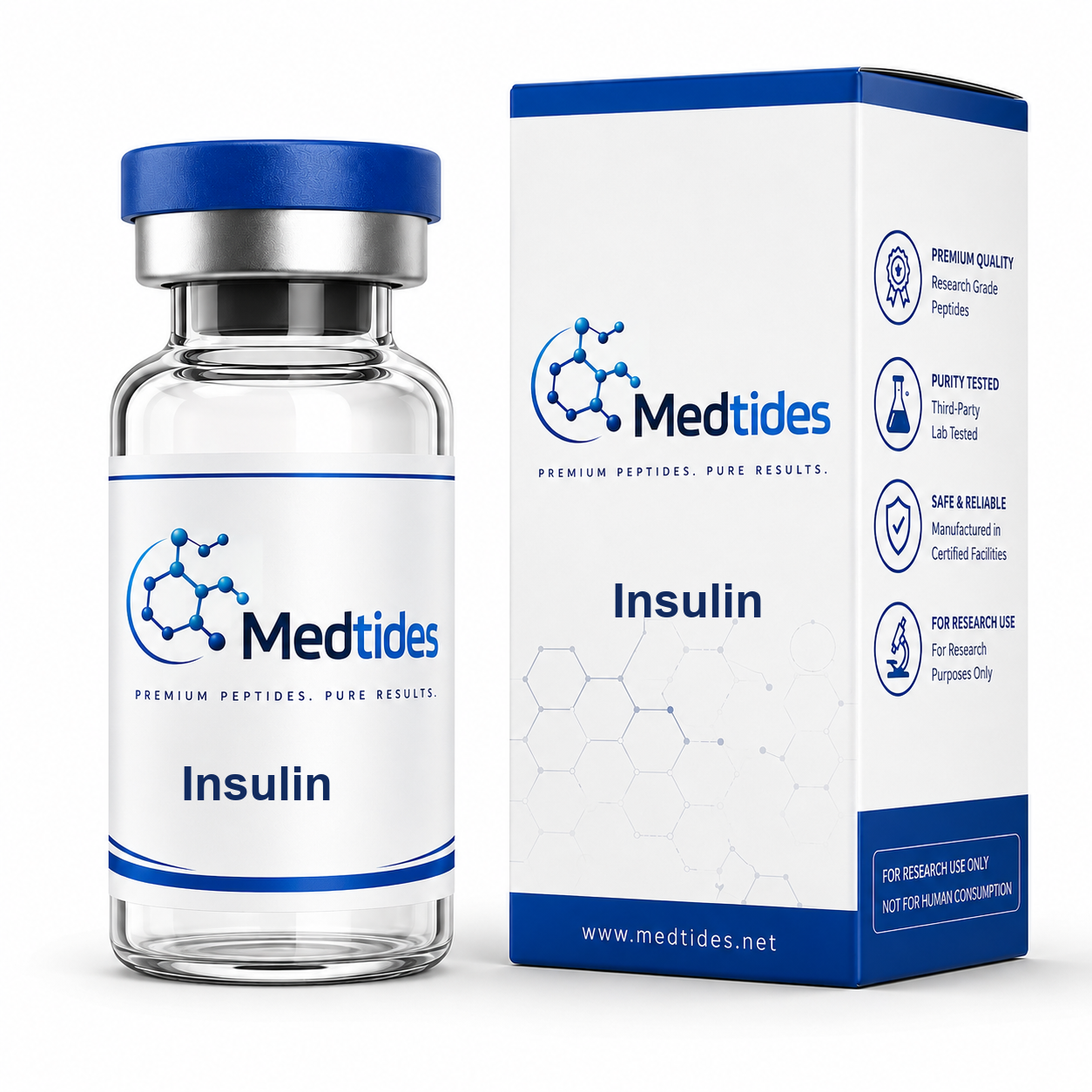
Insuline-1-online
insulin-1-online therapy, insulin-1-online medication, what is insulin, types of insulin, insulin for diabetes, insulin treatment, insulin resistance, blood sugar control, diabetes management, insulin injections, long-acting insulin, rapid-acting insulin, short-acting insulin, intermediate-acting insulin, blood glucose, insulin dosage, insulin safety
What Is Insulin?
Insulin is a hormone that plays a central role in controlling blood glucose, also commonly called blood sugar. It is produced naturally by specialized beta cells in the pancreas and helps the body move glucose from the bloodstream into cells, where it can be used as an energy source or stored for later use.
When you eat carbohydrates, your digestive system breaks them down into glucose. As blood glucose levels rise, the pancreas normally releases insulin. Insulin then signals muscle, fat, and other cells to take up glucose from the bloodstream. This process helps maintain blood glucose within a healthy range.
Insulin-1-online is also involved in the storage and use of fats and proteins and influences how the liver manages glucose. Because of these functions, insulin is essential to normal metabolism.
For people whose bodies do not produce enough insulin or cannot use insulin effectively, blood glucose can become abnormally high. This condition is known as hyperglycemia. Persistently elevated blood glucose is a defining feature of diabetes and can contribute to complications affecting the eyes, kidneys, nerves, heart, and blood vessels.
Insulin used as a medication can replace or supplement the body’s natural insulin. It is an important treatment for many people with diabetes, particularly people with type 1 diabetes, whose bodies produce little or no insulin.
How Does Insulin-1-online Work?
Understanding how insulin works can make diabetes management easier to understand.
After a meal, glucose enters the bloodstream as carbohydrates are digested. The pancreas detects the increase in blood glucose and releases insulin. Insulin attaches to receptors on cells throughout the body and helps activate processes that allow glucose to enter those cells.
Muscle cells can use glucose for energy or store it as glycogen. Fat cells can take up glucose and participate in energy storage. The liver also responds to insulin by reducing glucose production and increasing glucose storage.
When blood glucose levels fall, insulin secretion normally decreases. Another hormone called glucagon helps raise blood glucose when necessary.
This balance between insulin and other metabolic hormones helps the body maintain stable blood glucose levels.
In diabetes, this system may not function normally. A person may produce little or no insulin, or their cells may become less responsive to insulin. These different mechanisms help explain why diabetes has several forms and why treatment varies from person to person.
The Importance of Insulin-1-online for Blood Sugar Control
Blood glucose provides energy for the body’s cells, but it must remain within an appropriate range. Insulin is one of the body’s most important tools for maintaining that balance.
Without sufficient insulin, glucose remains in the bloodstream instead of moving effectively into cells. As a result, blood glucose levels can rise.
In type 1 diabetes, the immune system mistakenly attacks the pancreatic beta cells that produce insulin. People with type 1 diabetes therefore generally need insulin replacement therapy to survive.
In type 2 diabetes, the body may initially produce insulin but become resistant to its effects. The pancreas may compensate by producing more insulin. Over time, however, insulin production may decline, and blood glucose levels can increase.
Some people with type 2 diabetes eventually require insulin therapy, while others manage their condition using lifestyle changes, non-insulin medications, or combinations of treatments.
Gestational diabetes, which develops during pregnancy, can also involve insulin resistance. Depending on the individual’s circumstances and medical guidance, treatment may include nutrition changes, physical activity, medication, and sometimes insulin.
What Is Insulin-1-online Resistance?
Insulin-1-online resistance occurs when cells in the body do not respond to insulin as effectively as they should.
When insulin sensitivity decreases, the pancreas may produce more insulin to compensate. For a period of time, this increased insulin production may help keep blood glucose relatively normal.
Eventually, however, the pancreas may not be able to compensate sufficiently. Blood glucose can then begin to rise.
Insulin resistance is strongly associated with type 2 diabetes and can occur alongside other metabolic health problems.
Improving insulin sensitivity may involve several strategies, depending on an individual’s health circumstances. These can include regular physical activity, maintaining a healthy body weight when appropriate, balanced nutrition, adequate sleep, and medical treatment when necessary.
Insulin resistance is complex, and it should not be interpreted as simply a consequence of eating one particular food or failing to follow one specific diet.
Insulin and Diabetes
Insulin has a particularly important role in diabetes treatment.
Diabetes is a group of metabolic conditions characterized by elevated blood glucose. The underlying causes differ, but insulin is involved in the regulation of glucose in every major form.
Type 1 Diabetes
People with type 1 diabetes generally produce little or no insulin because pancreatic beta cells have been damaged by an autoimmune process.
Insulin replacement is therefore a fundamental part of treatment.
People with type 1 diabetes typically use insulin through injections, insulin pens, insulin pumps, or other approved delivery systems. Their treatment plans are individualized according to factors such as meals, activity, blood glucose levels, age, and overall health.
Type 2 Diabetes
Type 2 diabetes is associated with insulin resistance and progressive changes in insulin production.
Some people with type 2 diabetes eventually need insulin medication. This can happen when the pancreas cannot produce enough insulin to maintain adequate blood glucose control or when other treatments are insufficient.
Using insulin does not mean that someone has failed at managing diabetes. Diabetes is a progressive and complex condition, and treatment can change over time.
Gestational Diabetes
Gestational diabetes occurs during pregnancy when blood glucose levels become elevated.
Pregnancy naturally causes changes in insulin sensitivity. For some people, the pancreas cannot produce enough insulin to compensate for these changes.
Treatment depends on individual circumstances. Insulin may be recommended when blood glucose cannot be adequately controlled through nutrition and physical activity or when a healthcare professional determines that medication is appropriate.
Types of Insulin
Several types of insulin are available. They differ mainly in how quickly they begin working, when they reach their strongest effect, and how long their effects last.
The main categories include rapid-acting, short-acting, intermediate-acting, long-acting, and ultra-long-acting insulin products.
Rapid-Acting Insulin
Rapid-acting insulin begins working relatively quickly and is commonly used around mealtimes.
It can help manage the increase in blood glucose that occurs after eating. Depending on the specific medication, timing and duration can vary.
Examples of rapid-acting insulin analogs include insulin lispro, insulin aspart, and insulin glulisine.
Short-Acting Insulin
Regular human insulin is generally considered short-acting insulin.
It has a slower onset than most rapid-acting insulin analogs and may be used in particular treatment plans.
Timing is important because the effect of insulin must be coordinated with meals and other factors.
Intermediate-Acting Insulin
Intermediate-acting insulin, such as NPH insulin, lasts longer than short-acting insulin and is often used to provide coverage over part of the day or night.
Its timing and duration can vary considerably between individuals.
Long-Acting Insulin
Long-acting insulin is designed to provide relatively steady insulin activity over an extended period.
It is often used as basal insulin, meaning it provides background insulin coverage between meals and overnight.
Examples include insulin glargine and insulin detemir, although availability and approved uses vary by country and product.
Ultra-Long-Acting Insulin
Some insulin products have an even longer duration of action.
Insulin degludec is an example of an ultra-long-acting insulin. These products are designed to provide extended basal insulin coverage.
The appropriate insulin type depends on the person’s medical needs and should be determined with a qualified healthcare professional.
Basal and Bolus Insulin
Insulin treatment is sometimes described using the terms basal and bolus.
Basal insulin provides background insulin throughout the day and night. It helps control glucose between meals and while sleeping.
Bolus insulin is taken to manage increases in blood glucose associated with meals or to correct elevated blood glucose according to an individual’s prescribed treatment plan.
Some people use multiple daily injections to provide basal and bolus insulin. Others use insulin pumps that deliver rapid-acting insulin continuously, with additional doses around meals.
The specific approach varies significantly between individuals.
How Is Insulin Administered?
Insulin is usually administered using a subcutaneous injection, meaning it is injected into the fatty tissue beneath the skin.
Common injection areas include the abdomen, thighs, upper arms, and buttocks, depending on the product and healthcare guidance.
Insulin can be delivered using:
- Insulin syringes
- Insulin pens
- Prefilled insulin pens
- Insulin pumps
- Certain automated insulin-delivery systems
The method selected depends on factors such as age, lifestyle, treatment requirements, preferences, cost, availability, and healthcare recommendations.
People using insulin should receive appropriate training on injection technique, storage, dose measurement, device use, and blood glucose monitoring.
Insulin Pens
Insulin pens are widely used because they can be convenient and portable.
A pen generally contains insulin in a cartridge or prefilled device. A disposable needle is attached when the medication is administered.
Pens can make dose measurement easier than traditional syringes for some people. However, proper technique remains important.
Insulin pens should not be shared between people, even if the needle has been replaced, because sharing can create a risk of bloodborne infection.
Insulin Pumps
An insulin pump is a small device designed to deliver insulin continuously.
Many pumps use rapid-acting insulin and provide a programmed basal dose throughout the day, with additional bolus doses for meals or corrections.
Some modern systems can communicate with continuous glucose monitoring devices and adjust insulin delivery based on glucose readings. These systems are sometimes described as automated insulin-delivery or hybrid closed-loop systems.
Pump therapy can offer flexibility, but it also requires education and careful monitoring.
Because insulin delivery can be interrupted if a pump or infusion set fails, users need to understand how to identify problems and follow their prescribed backup plan.
Insulin and Blood Glucose Monitoring
Blood glucose monitoring is an important part of insulin therapy.
Traditional blood glucose meters use a small blood sample, usually obtained from a fingertip, to estimate glucose levels.
Continuous glucose monitoring systems use a sensor inserted under the skin to measure glucose in interstitial fluid. These systems can provide frequent readings and help users identify glucose trends.
Monitoring can help people and their healthcare teams understand how insulin, food, physical activity, illness, stress, and other factors influence glucose levels.
The frequency and method of glucose monitoring depend on the person’s diabetes type, medication regimen, treatment goals, and healthcare plan.
Insulin Dosage
Insulin doses are highly individualized.
There is no single insulin dosage that is appropriate for everyone. Dosage can depend on body size, insulin sensitivity, carbohydrate intake, physical activity, current blood glucose levels, illness, pregnancy, age, other medications, and many additional factors.
For this reason, people should not change insulin doses based solely on general information found online.
Too little insulin can result in high blood glucose and, in people with type 1 diabetes, can contribute to diabetic ketoacidosis. Too much insulin can cause hypoglycemia, which means blood glucose becomes dangerously low.
Healthcare professionals can help establish individualized insulin plans and explain when adjustments may be appropriate.
Insulin and Hypoglycemia
Hypoglycemia is one of the most important potential risks associated with insulin therapy.
Hypoglycemia occurs when blood glucose falls below the appropriate range. Symptoms can include:
- Shaking
- Sweating
- Hunger
- Dizziness
- Weakness
- Confusion
- Irritability
- Difficulty concentrating
- Fast heartbeat
Severe hypoglycemia can cause seizures, loss of consciousness, and other medical emergencies.
People using insulin should learn how to recognize and respond to low blood glucose according to their healthcare professional’s instructions.
Fast-acting sources of glucose are commonly used to treat mild hypoglycemia, while severe episodes may require emergency treatment such as glucagon.
Anyone who experiences frequent or unexplained hypoglycemia should discuss it with a healthcare professional.
Insulin and Hyperglycemia
Hyperglycemia means that blood glucose is too high.
For people using insulin, hyperglycemia can occur when the dose is insufficient, insulin delivery is interrupted, meals contain more carbohydrate than anticipated, physical activity changes, illness occurs, or other factors affect glucose control.
Symptoms may include increased thirst, frequent urination, fatigue, blurred vision, and difficulty concentrating.
Very high blood glucose can become dangerous. In people with type 1 diabetes, insufficient insulin can lead to diabetic ketoacidosis, or DKA.
DKA is a medical emergency and can cause nausea, vomiting, abdominal pain, dehydration, rapid breathing, and altered consciousness.
People with diabetes should follow their individualized sick-day and glucose-management instructions and seek urgent medical care when emergency symptoms occur.
Proper Insulin Storage
Correct storage helps protect insulin quality.
Different insulin products have specific storage requirements, so users should always follow the manufacturer’s instructions and the advice provided by their healthcare professional or pharmacist.
Many unopened insulin products require refrigeration. However, insulin should not generally be frozen.
Extreme temperatures can damage insulin. Exposure to excessive heat or freezing conditions can reduce its effectiveness.
Insulin products should also be protected from inappropriate light and handled according to their specific labeling.
If insulin appears unusual, has been frozen, exposed to excessive heat, or otherwise stored incorrectly, a pharmacist or healthcare professional can advise whether it should be replaced.
Insulin Side Effects
Insulin is an effective and essential medication for many people, but it can cause side effects.
The most important potential adverse effect is hypoglycemia.
Other possible effects include injection-site reactions, changes in fatty tissue at injection sites, and allergic reactions.
Repeatedly injecting insulin into exactly the same location can contribute to changes in fatty tissue. Rotating injection sites as instructed can help reduce this problem.
Serious allergic reactions are uncommon but can require urgent medical attention.
Anyone experiencing significant swelling, difficulty breathing, widespread rash, or other signs of a severe allergic reaction should seek emergency medical care.
Insulin and Weight Changes
Insulin can influence body weight because it promotes glucose uptake and energy storage.
Some people beginning insulin therapy may gain weight, particularly when previously elevated blood glucose is brought under better control.
Weight management during insulin treatment should be individualized. Attempting to reduce insulin doses simply to lose weight can be dangerous.
People concerned about weight changes should discuss their goals with a healthcare professional who can consider glucose control, nutrition, physical activity, and medication options together.
Insulin and Diet
Food and insulin are closely connected because carbohydrates are converted into glucose and can increase blood glucose levels.
For people using mealtime insulin, understanding carbohydrate intake can help coordinate insulin administration with meals.
However, there is no single diabetes diet that works for everyone.
A balanced eating pattern may include vegetables, high-fiber foods, appropriate protein sources, healthy fats, and carbohydrate-containing foods selected according to individual needs.
A registered dietitian or diabetes care professional can help create an eating plan that works alongside insulin therapy.
People should avoid making major dietary or insulin changes without appropriate medical guidance.
Insulin and Exercise
Physical activity can affect blood glucose and insulin requirements.
Exercise often increases insulin sensitivity, meaning the body may respond more strongly to insulin during and after physical activity.
Depending on the activity, duration, intensity, and insulin regimen, exercise can sometimes cause blood glucose to fall.
People using insulin should therefore learn how physical activity affects their glucose levels and follow their healthcare team’s recommendations for monitoring, food intake, and medication adjustments.
Exercise has many health benefits, but people with diabetes should consider their individual medical circumstances when developing an exercise routine.
Insulin and Illness
Illness can make blood glucose management more difficult.
Infections, fever, stress, and other illnesses can cause blood glucose to rise. People with diabetes may therefore need additional monitoring during periods of illness.
For people who use insulin, stopping insulin without medical guidance can be dangerous, particularly for those with type 1 diabetes.
A personalized sick-day plan can explain how often to monitor glucose, when to check ketones, how to maintain hydration, and when to seek medical attention.
People with diabetes should ask their healthcare team for a sick-day plan before becoming seriously ill.
Insulin Resistance Versus Insulin Deficiency
Insulin resistance and insulin deficiency are related but different concepts.
Insulin resistance means that the body’s cells do not respond adequately to insulin.
Insulin deficiency means that the body does not produce enough insulin to meet its needs.
A person can experience both conditions. This is particularly relevant in the progression of type 2 diabetes, where insulin resistance can be followed by declining insulin production.
Understanding this distinction helps explain why different diabetes treatments work in different ways.
The Role of Insulin in Metabolism
Insulin does much more than lower blood glucose.
It also influences fat metabolism, protein metabolism, and energy storage.
When insulin is present, the body is generally encouraged to store and use nutrients. Insulin reduces the liver’s production of glucose and affects the breakdown and storage of fats.
Insulin also influences amino acid uptake and protein metabolism.
Because insulin has such broad effects, changes in insulin levels can influence many biological processes beyond blood glucose alone.
Insulin and the Pancreas
The pancreas is a gland located behind the stomach that performs both digestive and hormonal functions.
Within the pancreas are clusters of cells known as the islets of Langerhans. Beta cells located within these islets produce insulin.
When beta cells detect increasing blood glucose, they release insulin into the bloodstream.
In type 1 diabetes, autoimmune destruction of beta cells results in severe insulin deficiency.
In type 2 diabetes, beta cells may initially increase insulin production in response to insulin resistance, but their ability to maintain sufficient production can decline over time.
Insulin Research and Medical Innovation
Insulin treatment has changed dramatically since insulin was first developed as a medical therapy.
Modern insulin products have been engineered to have different absorption profiles, allowing clinicians to select medications that fit different treatment needs.
Research continues into improved glucose monitoring, automated insulin delivery, longer-acting formulations, new delivery technologies, and approaches designed to improve diabetes management.
Continuous glucose monitoring and automated insulin-delivery systems have become particularly important areas of innovation.
Researchers are also investigating ways to preserve or replace insulin-producing beta cells and improve treatments for different forms of diabetes.
How to Choose the Right Insulin
Choosing an insulin product should be part of a medical treatment plan rather than an independent purchasing decision.
Healthcare professionals consider factors such as:
- Type of diabetes
- Current blood glucose patterns
- Insulin sensitivity
- Meal schedule
- Physical activity
- Age
- Other medications
- Pregnancy status when relevant
- Kidney and liver function
- Risk of hypoglycemia
- Cost and availability
- Lifestyle and personal preferences
The goal is to find a treatment strategy that provides effective glucose control while minimizing risks.
Buying Insulin Safely
Insulin is a prescription medication in many countries, and purchasing it from unreliable online sources can create serious risks.
Counterfeit, improperly stored, expired, contaminated, or incorrectly labeled medication may not provide the expected therapeutic effect.
People who need insulin should obtain it through legitimate healthcare and pharmacy channels and verify that the product is appropriate for them.
When purchasing medication online, consumers should be particularly cautious of websites that make unrealistic claims, sell prescription medication without appropriate safeguards, or fail to provide reliable information about the source and storage of their products.
The safest approach is to work with a licensed healthcare professional and a legitimate pharmacy.
Frequently Asked Questions About Insulin
What is insulin used for?
Insulin is primarily used to control blood glucose in people with diabetes who do not produce enough insulin or need additional insulin to maintain appropriate glucose levels.
Do all people with diabetes need insulin?
No. Some people with diabetes can manage their condition through lifestyle changes and non-insulin medications. Others require insulin. People with type 1 diabetes generally require insulin replacement.
Is insulin a hormone or a medication?
Insulin is naturally a hormone produced by the pancreas. Pharmaceutical insulin is a medication that replaces or supplements the body’s natural insulin.
What happens if the body does not produce enough insulin?
Insufficient insulin can cause blood glucose to rise. Severe insulin deficiency can result in serious complications, including diabetic ketoacidosis in people with type 1 diabetes.
Can insulin cure diabetes?
Insulin can effectively manage blood glucose, but it does not cure type 1 diabetes. In type 2 diabetes, insulin may be an important treatment but does not necessarily eliminate the underlying metabolic condition.
Can insulin cause low blood sugar?
Yes. Hypoglycemia is one of the most important risks associated with insulin therapy, particularly when the amount of insulin exceeds the body’s immediate requirements.
Can insulin be taken as a pill?
Most commonly used insulin products are administered through injections or insulin-delivery devices because insulin is a protein that would be broken down in the digestive system if taken orally.
How should insulin be stored?
Storage requirements depend on the specific insulin product. Many unopened products require refrigeration, while opened products may have different storage instructions. Always follow the product label and pharmacist or healthcare professional’s advice.
Can insulin be purchased online?
In some countries, insulin can be obtained through legitimate online pharmacies or pharmacy services. However, prescription requirements and regulations vary by location. Consumers should avoid unverified sellers and confirm that medication comes from a legitimate, regulated source.
Can insulin be stopped suddenly?
People who use insulin should not stop or significantly change their insulin treatment without medical advice. For people with type 1 diabetes especially, stopping insulin can result in dangerous insulin deficiency.
Final Thoughts on Insulin
Insulin is one of the most important hormones involved in human metabolism and one of the most significant medications used in diabetes care.
Its primary role is to help regulate blood glucose by allowing cells to use glucose for energy and by reducing glucose production by the liver. When the body does not produce enough insulin or cannot use it effectively, blood glucose can rise and lead to diabetes-related complications.
Modern insulin therapy includes several types of insulin with different onset and duration characteristics. These options allow healthcare professionals to develop individualized treatment plans based on a person’s glucose patterns, lifestyle, meals, physical activity, and medical needs.
Safe insulin use requires more than simply knowing the name of a medication. Patients need to understand administration techniques, glucose monitoring, storage requirements, potential side effects, hypoglycemia prevention, and when to seek medical assistance.
Because insulin dosage and treatment plans are highly individualized, online information should not replace professional medical advice. Anyone considering insulin therapy, changing an existing regimen, or experiencing unusual blood glucose levels should consult a qualified healthcare professional.
For anyone searching for reliable information about insulin, understanding its biological function, different types, administration methods, safety considerations, and role in diabetes management.
Be the first to review “Insulin 1 online”
Related products
PEPTIDES PRODUCTS
PEPTIDES PRODUCTS
PEPTIDES PRODUCTS
PEPTIDES PRODUCTS
PEPTIDES PRODUCTS

PEPTIDES PRODUCTS
PEPTIDES PRODUCTS

PEPTIDES PRODUCTS
Reviews
There are no reviews yet.